

Metal-Free Ceramic Dental Implants: A Natural Alternative for Tooth Replacement
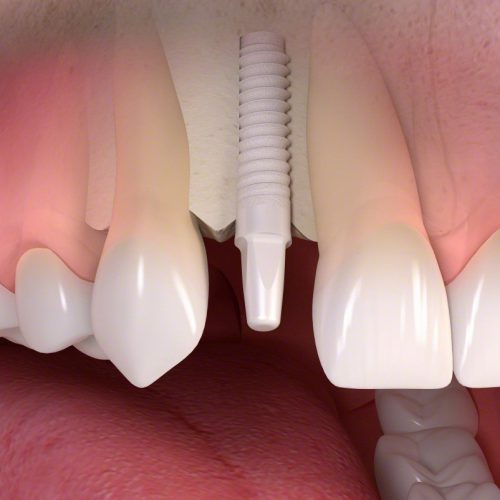
If you have been told you need a dental implant but feel uneasy about having metal placed in your body, you are certainly not alone. Many patients ask us about metal-free ceramic implants, often after researching materials more carefully or following previous sensitivities to metals. It is a thoughtful question, and one that deserves a clear, balanced explanation.
Ceramic dental implants offer a modern solution that aligns well with a more biological approach to dentistry, without straying from sound clinical principles.
What is a ceramic dental implant?
A dental implant is a small post that replaces the root of a missing tooth. It sits within the jawbone and supports a crown, which is the visible part that looks and functions like a natural tooth.
Traditional implants are usually made from titanium. Ceramic implants, by contrast, are made from zirconia, a high-strength ceramic that has been used in dentistry for many years. Zirconia is white in colour, metal-free, and highly biocompatible, meaning it is generally well tolerated by the body.
Why some patients prefer metal-free options
For many people, titanium implants work extremely well. However, some patients prefer ceramic implants for personal, medical, or philosophical reasons.
Common considerations include concerns about metal sensitivity, a desire for materials that feel more natural in the body, or a wish to avoid metal altogether. Others appreciate the aesthetic benefit. Because zirconia is tooth coloured, it can be particularly helpful in patients with thin gum tissue where darker materials may show through.
These preferences are valid and increasingly common. Modern dentistry allows us to tailor treatment more closely to the individual, rather than relying on one approach for everyone.
How ceramic implants work in the body
Just like titanium implants, ceramic implants rely on a process called osseointegration. This simply means the surrounding bone grows and bonds directly to the surface of the implant, holding it firmly in place.
Zirconia has a very smooth and stable surface. This can make it less attractive to plaque bacteria, which may support healthy gum tissues when good oral hygiene is maintained. While no implant is immune to problems, healthy gums are a key part of long-term success.
What about strength and longevity?
A common question is whether ceramic implants are strong enough. Early generations had limitations, but modern zirconia implants are engineered for durability and stability. When placed correctly and in suitable cases, they can perform very well.
That said, ceramic implants are not ideal for every situation. Bone quality, bite forces, and overall oral health all play a role. A careful assessment is always essential before deciding on the most appropriate material.
Is a ceramic implant right for you?
Metal-free ceramic implants can be an excellent option for the right patient. They appeal to those seeking a more biological approach, improved aesthetics, or simply peace of mind about materials used in their care.
The most important step is a thorough consultation. This allows time to review your medical history, examine your mouth carefully, and decide together on a treatment plan that feels right for you.
If you are curious about ceramic implants, asking the question is already a positive step. Good dentistry is not just about replacing teeth. It is about understanding people, listening carefully, and choosing solutions that support long-term oral and overall health.